
Germany’s multiyear recession will only fade slowly in 2026, Bundesbank warns
Germany’s economy will only slowly emerge from a multiyear recession, the Bundesbank has warned in a forecast that dashes hopes of a quick recovery driven by Berlin’s debt-funded spending spree. The central bank on Friday lowered its 2026 growth forecast by 0.1 percentage points to 0.6 per cent. While it raised its 2027 prediction by the same amount to 1.3 per cent, it warned that the risks to its updated GDP forecast “are tilted more to the downside”. The new outlook suggests that Germany’s GDP will only rise back to its pre-recession levels by late 2026. Private-sector economists, investors and the German government had hoped that the €1tn in additional investment and defence spending would reinvigorate Europe’s largest economy that has been stuck in a rut since the start of Russia’s invasion of Ukraine. The Bundesbank prediction excludes positive effects of a higher number of working days next year that is set to lift reported GDP by another 0.3 percentage points to 0.9 per cent. This number is lower than the government’s forecast of 1.3 per cent, which includes the effects from additional working days. The government deficit is set to almost double from 2.5 per cent this year to 4.8 per cent in 2028, with Germany’s debt burden set to rise from 62 per cent to 68 per cent. The annual deficit in 2028 would be the highest level since Germany’s reunification in the 1990s, exceeding even the global financial crisis and the Covid-19 pandemic. Non-wage labour costs will shoot up almost a tenth over the coming three years to an all-time high of 44.5 per cent of payrolls, driven by rising healthcare and welfare costs that threaten to further undermine the competitiveness of German manufacturers. While the Bundesbank acknowledged “initial signs of increasing government orders” it flagged that indicators did not yet point to an “early and noticeable boost to economic activity from higher public spending”.
Simultaneously, inflation will fall more slowly than previously expected. At 2.3 per cent this year and 2.2 per cent in 2026, it is expected to hover above the ECB’s medium-term target of 2 per cent for the wider euro area, mainly because of wage pressures.
Germany has been “clearly in a recession since the end of 2022” and even fell back into contraction over the second and third quarters of this year, the central bank said.
本文 zblog模板 原创,转载保留链接!网址:https://sgmcpa01.icu/?id=8
1.本站遵循行业规范,任何转载的稿件都会明确标注作者和来源;2.本站的原创文章,请转载时务必注明文章作者和来源,不尊重原创的行为我们将追究责任;3.作者投稿可能会经我们编辑修改或补充。

Germany’s multiyear recession will only fade slowly in 2026, Bundesbank warns

Do Vets Recommend Water Fountains for Cats? The Ultimate Guide to Feline Hydration

The Ultimate Guide to the Best Automatic Pet Water Fountain: Vet-Recommended & Pet-Approved
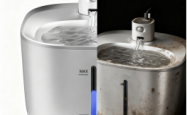
The Hidden Truth: What Are the Cons of a Pet Water Fountain? (And How to Choose a Safe, Vet-Recommen
The Fed Did Banks a Solid This Week. More Favors May Be Needed
Week Ahead for FX, Bonds to Jan. 2: U.S. Data in Focus in Quiet Holiday Period